Neighbourhood profile · Upper Harbour local board
Home upkeep across the Albany basin
Most homes in the Albany basin are late twentieth and twenty-first century builds, so maintenance here is less about old timber and more about modern claddings, clay ground and fast-growing subdivisions. Buyers meet a wide range: brick-and-tile family homes, plaster houses from the weathertightness era, recent townhouses near the town centre, and semi-rural lots in Albany Heights that may run their own wastewater. Lucas Creek and its tributaries add estuary dampness and gully pests to the lower streets.
Profile checked · covers Albany, Albany Heights, Rosedale, Unsworth Heights, Pinehill, Fairview Heights · Sources · Report an error
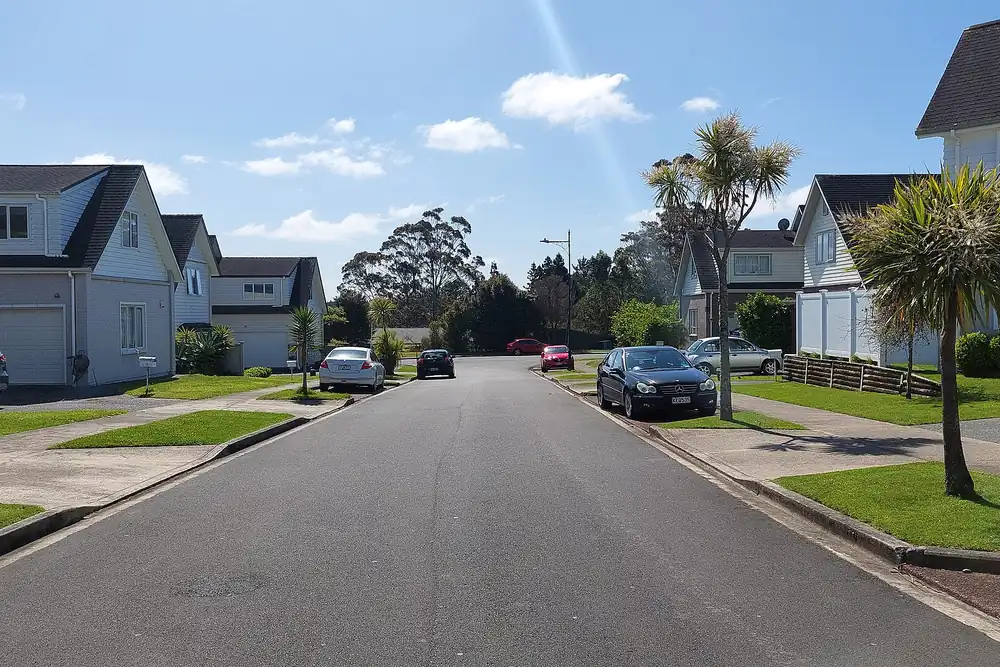
Albany at a glance
- Housing
- Late 20th century family homes, plaster-clad houses, recent terraces and apartments near the centre
- Ground
- Clay soils over Waitematā sandstone; rolling hills and gully streams
- Water
- Lucas Creek estuary on the eastern side; town supply in most suburbs, onsite wastewater on some rural lots
- Character
- Albany Heights keeps a semi-rural, larger-lot feel; Rosedale mixes housing with an industrial estate
- Transport
- Northern Busway at Albany station; State Highway 1 through the basin
What kind of houses fill Albany, Unsworth Heights and Pinehill?
The basin was largely farmland and orchards until the late twentieth century, and most of today's houses are relatively new. Unsworth Heights, Pinehill and Fairview Heights are dominated by detached family homes on hillside streets, many with brick veneer or plaster cladding and tiled or long-run roofs. Around the Albany town centre, recent terraced houses and apartments add body corporate buildings to the mix.
Lucas Creek was a farming and fruit-growing settlement before the North Shore's growth reached it, and a handful of older buildings remain around Albany Village. For most owners, though, the house will be a late-model build with modern framing.
Newer does not mean maintenance-free. Sealants, flashings and coatings on homes from the 1990s onward are now at or past the age where they need renewing.
The plaster question for buyers
A share of Albany's housing was built during the 1990s and early 2000s, when monolithic plaster fixed without a drained cavity became a known weathertightness risk in MBIE determinations. Anyone buying a plaster home here should ask for a specialist moisture survey, not just a general builder's report. Owners can reduce risk by keeping sealant joints intact, clearing the ground away from wall bases and fixing cracks before painting.
Clues worth checking include a cladding that runs into the ground or paving with no clearance, flat or parapet roofs, decks built over living areas, and windows without visible head flashings.
- Ask the vendor for building consent and code compliance records
- Check whether the house has been reclad, and when
- Budget for regular washing and resealing, not only repainting
Clay, slopes and retaining walls
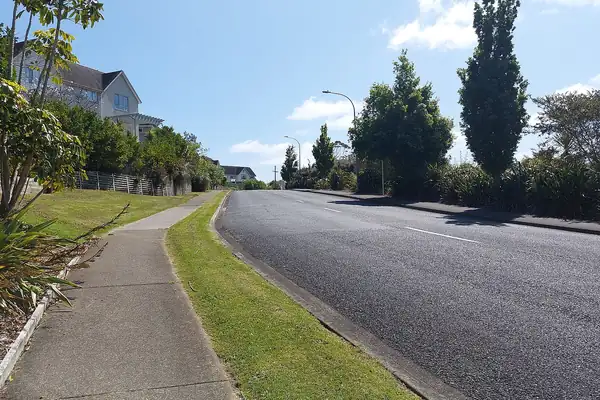
The basin's clay soils swell and shrink with the seasons, and hillside subdivisions in Unsworth Heights and Pinehill were built by cutting and filling slopes. Retaining walls, driveway edges and stormwater pipes take the strain. Keeping drainage clear behind retaining walls and watching for new cracks or leaning after wet winters is the main routine task for owners on sloping sites.
A retaining wall that holds up a neighbour's land or a driveway may need engineering input and building consent if it is rebuilt, so it is worth checking before asking a general handyman to replace it.
Albany Heights lifestyle blocks and septic systems
Parts of Albany Heights are semi-rural, with larger lots, long driveways and, on some properties, onsite wastewater systems instead of a public sewer connection. Under the Auckland Unitary Plan, septic tanks and their disposal fields need inspection at least every three years, and the council's Safe Septic programme asks owners to supply maintenance records. Buyers should confirm how a property's wastewater is handled before purchase.
Larger sections also mean more fencing, hedges, tree work and gutter cleaning under overhanging trees. Contractors may quote these jobs differently from a suburban section because of travel and the extra ground to cover.
Estuary edges and the Lucas Creek gullies
Homes near Lucas Creek and the bush gullies feeding it live with more moisture and more wildlife. Morning fog and shade keep decks, paths and south walls damp for longer, which encourages moss and mould. The gullies give rats and possums cover close to houses, and wasps often nest in banks along the bush edge in late summer.
Clearing vegetation off the house, trimming branches back from the roofline and sealing gaps at the base of cladding all reduce pest entry. Washing decks and paths in autumn keeps them from becoming slippery over winter.
Body corporates and the newer townhouses
Terraces and apartments around the Albany centre usually sit under a body corporate, which is responsible for shared roofs, cladding and grounds while owners look after their own unit interiors. Before hiring a trade for anything on the exterior, an owner should check the body corporate rules, because unauthorised work can breach them and some exterior repairs are scheduled and funded collectively.
For landlords, the healthy homes standards on heating, insulation, ventilation, moisture and draught stopping apply to these units as they do to stand-alone houses.
Why trades find Albany easy to reach
Albany is one of the simpler parts of Auckland for scheduling trades. Many contractors are based in the Rosedale industrial estate or nearby, State Highway 1 runs through the basin, and most stand-alone homes have off-street parking. Apartment buildings and narrow terrace lanes are the exception, where parking, lift access and building manager approval need sorting before the visit.
Albany Heights properties on long rural driveways may need a smaller vehicle or extra time for access, so mention it when booking.
Ranked businesses that reach Albany
Albany sits inside the guide's North Shore area, which has its own ranked lists for pest control, wasp nest removal, house washing, gutter cleaning, roof painting and garage door repair. The table counts, for every trade, the eligible businesses whose Google listing is in one of the localities above or whose own website names one of them.
| Trade | Listing here | Website names it | Eligible Auckland-wide |
|---|---|---|---|
| Pest control | 0 | 12 | 41 |
| Borer treatment | 0 | 4 | 19 |
| Wasp nest removal | 0 | 8 | 35 |
| Commercial pest control | 0 | 9 | 32 |
| House washing | 1 | 6 | 46 |
| Gutter cleaning | 3 | 6 | 43 |
| Roof painting | 3 | 6 | 40 |
| Handyman services | 0 | 3 | 18 |
| Healthy homes assessments | 0 | 0 | 10 |
| Garage door repair | 1 | 6 | 29 |
Counts come from the guide's Google Maps and website data (read 6 October 2026; garage doors 10 October 2026). A business that serves all of Auckland without naming suburbs is not counted here, so a low number does not mean nobody comes.
Prices, from businesses' own published lists: pest control · borer treatment · wasp nest removal · house washing · gutter cleaning · roof painting · handyman services · healthy homes assessment · garage door repair.
Questions owners ask about Albany
Is Albany part of the North Shore?
Yes. Albany, Rosedale, Unsworth Heights and Pinehill sit at the northern end of the North Shore and are within Auckland Council's Upper Harbour Local Board area. The Hibiscus Coast, further north past Silverdale, is a separate area, even though some trades cover both.
How often should a septic tank in Albany Heights be checked?
The Auckland Unitary Plan requires septic tanks and their disposal fields to be inspected at least every three years, and some systems, such as aerated treatment plants, need more frequent servicing under their own maintenance schedules. Keeping records matters, because Auckland Council's Safe Septic programme asks owners to supply them.
What should I check first on a 1990s plaster home?
Start with the junctions: around windows and doors, where decks meet walls, at parapet tops and where the cladding meets the ground. Cracks, failed sealant, staining and soft spots are warning signs. A specialist weathertightness surveyor can test moisture levels before any repainting or purchase decision.
Sources
- Auckland Council: About Upper Harbour Local Board
- Auckland Unitary Plan: E5 On-site and small scale wastewater treatment and disposal
- Auckland Council: Onsite wastewater system compliance (Safe Septic)
- MBIE building.govt.nz: Determination 2011/042 (1990s monolithic-clad house)
- Tenancy Services: healthy homes standards
Nearby profiles: East Coast Bays · Devonport · all neighbourhoods.