Neighbourhood profile · Ōtara-Papatoetoe and Manurewa local board
Upkeep for state-era and newer homes across Manukau
The suburbs around Manukau grew fast from the 1950s, when the Southern Motorway brought industry and low-cost housing to what had been farmland. Ōtara was planned largely as a state housing area, and Papatoetoe and Manurewa expanded quickly in the same decades. The result is a big stock of post-war timber and fibre-cement houses, many now rentals, alongside 1970s and 1980s group housing and newer public and private townhouses. Healthy homes compliance, asbestos awareness and roof and cladding renewal are the main upkeep themes.
Profile checked · covers Papatoetoe, Manurewa, Ōtara, Manukau Central, Wiri · Sources · Report an error
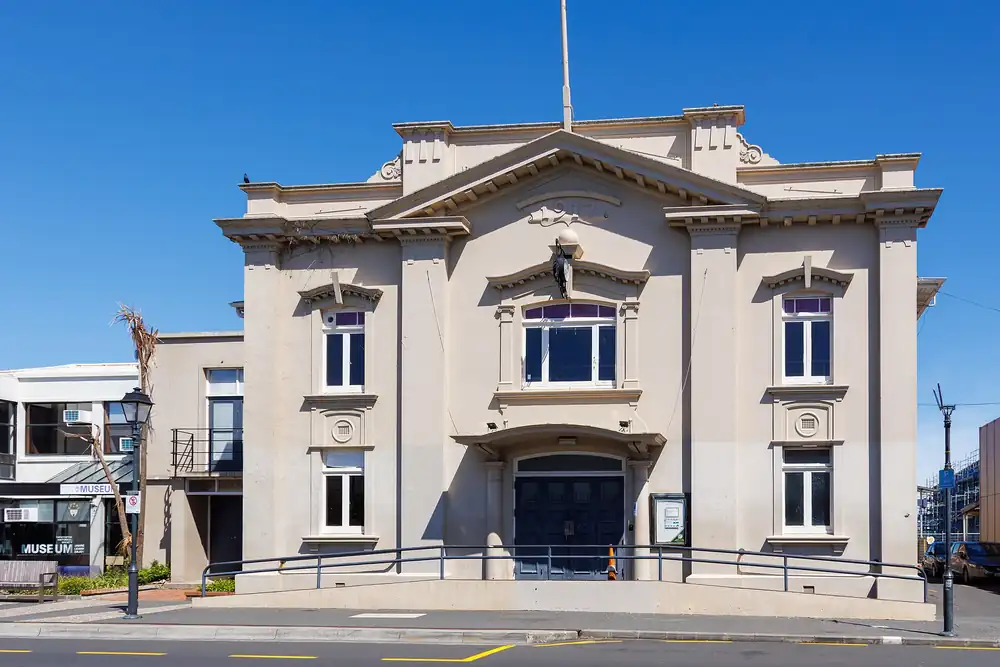
Papatoetoe, Manurewa and Ōtara at a glance
- Origins
- Mostly farmland until the 1950s; the Southern Motorway drew industry and housing south
- Housing
- Post-war state houses, 1960s to 1980s group and private housing, and 2010s onward medium-density builds
- Ōtara
- Developed as a large state housing area after 1945 and transformed by new housing through the 1960s
- Civic history
- Manukau City formed in 1965; the Manukau city centre at Wiri opened in 1977
- Terrain
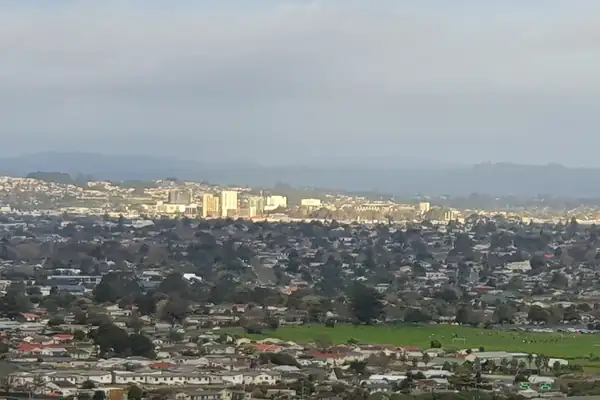
- Mostly flat or gently rolling ground drained by creeks running to the Manukau Harbour and the Tāmaki Estuary
Why is asbestos a live issue in older South Auckland houses?
Because many post-war houses here used building products that can contain asbestos, such as fibre-cement cladding and soffits, textured ceilings, vinyl floor coverings and some roofing. Asbestos was widely used in New Zealand building materials before 2000. Undisturbed, it is low risk; drilling, sanding, cutting or water-blasting it releases fibres, so any renovation or exterior cleaning should start with identifying it.
WorkSafe guidance treats materials in houses of this age as potentially containing asbestos until tested. A sample sent to a lab answers the question for a small cost compared with contaminating a house.
Removal beyond small amounts must be done by licensed asbestos removalists. Exterior trades working on fibre-cement should use soft washing rather than high pressure.
- Test before sanding, drilling or cutting cladding, ceilings or old vinyl
- Ask exterior cleaners how they treat fibre-cement
- Keep any asbestos survey with the property records
What do landlords in Manurewa and Papatoetoe typically need to fix?
The healthy homes standards items that post-war houses usually lack. A rental must meet minimum standards for heating, insulation, ventilation, moisture ingress and drainage, and draught stopping. In houses from the 1950s and 1960s that commonly means topping up ceiling insulation, adding underfloor insulation and a ground moisture barrier, fitting extraction fans and installing a fixed heater in the main living area.
Gutters and downpipes count too: the moisture standard requires them to carry water away from the house, and broken or blocked spouting is a common failure on older rentals.
A compliance check before a new tenancy starts gives time to schedule trades without disrupting tenants.
How are newer public homes changing the streets?
Kāinga Ora, the government's housing agency, has been replacing some older state houses with a greater number of newer homes, often terraces, walk-ups or small apartment blocks on the original sections. In Manurewa, for example, it has completed small developments of apartments and family homes. These buildings bring different upkeep needs from the single houses they replace.
Medium-density buildings depend on shared roofs, membranes, gutters and fire separations. For privately owned townhouses, the body corporate or management rules usually decide who maintains what.
For neighbours, redevelopment nearby can disturb rats from vacant sites. Bait stations along a shared boundary during demolition are a sensible precaution.
Which roof and cladding problems are common on 1960s and 1970s homes?
Worn roof coatings, rusting iron, cracked tile ridges and tired weatherboards. Houses built in the main growth decades are now on original or once-recoated roofs, and the flat, open suburbs give them full sun and wind. Group housing from the 1970s and 1980s often has shallow roofs and simple flashings that need resealing as they age.
A roof clean and inspection every few years catches rust and cracked flashings before they leak into ceilings.
Painting old timber cladding is the cheapest way to extend its life; boards that are soft at the bottom edges need replacing before any repaint.
What pests do homeowners near Manukau deal with most?
Rats, mice, ants and cockroaches, with wasps an occasional late-summer problem. The mix of homes, industrial land at Wiri and East Tāmaki, creek margins and shopping centres gives rodents plenty of food and cover. Warm, dry weather drives ants indoors, and cockroaches favour older kitchens and multi-unit buildings where they move between units.
In attached housing, treatment works best when neighbouring units are done at the same time.
Sealing gaps around pipes, vents and under doors is the cheapest long-term control for both rodents and insects.
Does flat ground mean drainage is simple?
Not always. Much of the area is flat or gently rolling, so stormwater moves slowly and low sections near creeks and overland flow paths can pond in heavy rain. Clay ground drains poorly, which keeps subfloors and yards damp through winter. Keeping gutters, downpipes and gully traps clear and grading paths away from the house are the basic defences.
Infill development can change how water moves between sections. If a new build next door alters runoff, raise it with the council early.
Council flood maps show overland flow paths and flood-prone land for any address.
Ranked businesses that reach Papatoetoe, Manurewa and Ōtara
Papatoetoe, Manurewa and Ōtara sits inside the guide's South Auckland area, which has its own ranked lists for pest control, house washing, gutter cleaning and handyman services. The table counts, for every trade, the eligible businesses whose Google listing is in one of the localities above or whose own website names one of them.
| Trade | Listing here | Website names it | Eligible Auckland-wide |
|---|---|---|---|
| Pest control | 2 | 6 | 41 |
| Borer treatment | 1 | 2 | 19 |
| Wasp nest removal | 1 | 4 | 35 |
| Commercial pest control | 1 | 5 | 32 |
| House washing | 0 | 7 | 46 |
| Gutter cleaning | 0 | 4 | 43 |
| Roof painting | 0 | 2 | 40 |
| Handyman services | 2 | 2 | 18 |
| Healthy homes assessments | 0 | 0 | 10 |
| Garage door repair | 1 | 3 | 29 |
Counts come from the guide's Google Maps and website data (read 6 October 2026; garage doors 10 October 2026). A business that serves all of Auckland without naming suburbs is not counted here, so a low number does not mean nobody comes.
Prices, from businesses' own published lists: pest control · borer treatment · wasp nest removal · house washing · gutter cleaning · roof painting · handyman services · healthy homes assessment · garage door repair.
Questions owners ask about Papatoetoe, Manurewa and Ōtara
Do I need an asbestos test before renovating a Papatoetoe house?
If the house was built before 2000 and the work will disturb cladding, ceilings, soffits or old floor coverings, testing first is the safe approach. WorkSafe advises treating such materials as possibly containing asbestos until proven otherwise. A sample is analysed by a lab, and larger removals must be done by a licensed removalist.
Which local board covers Manukau and Wiri?
The Ōtara-Papatoetoe Local Board covers Ōtara, Papatoetoe, East Tāmaki, Puhinui and Manukau Central, while Manurewa and Wiri come under the Manurewa Local Board. Local boards make decisions on parks, community facilities and local projects, but building consents and rules come from Auckland Council centrally.
What healthy homes work does a typical Ōtara rental need?
Post-war houses usually need ceiling and underfloor insulation brought up to standard, a ground moisture barrier under suspended floors, extraction fans in the kitchen and bathroom, draught stopping and a fixed heater in the living room. Gutters and drainage also have to work. A compliance assessment identifies exactly which items apply.
Sources
- Te Ara: South Auckland places
- Te Ara: State housing, Ōtara, 1960s
- Auckland Council: About Ōtara-Papatoetoe
- Auckland Council: About Manurewa
- Kāinga Ora: Homestar 6 rated public homes ready for whānau in South Auckland
- WorkSafe: Asbestos
- Tenancy Services: Healthy homes standards
Nearby profiles: Howick and East Auckland · Waiheke Island · all neighbourhoods.