Neighbourhood profile · Devonport-Takapuna local board
Looking after a home on the Devonport peninsula
Devonport holds some of the North Shore's oldest housing: timber villas and bungalows on compact sections, much of it inside the Auckland Unitary Plan's Special Character Areas overlay, packed between two volcanic cones and the harbour edge. Keeping these homes sound is mostly a contest with old timber, salt air and damp subfloors. Owners hiring trades should allow for council checks on visible changes, scarce kerbside parking, and one main road, Lake Road, carrying most traffic on and off the peninsula.
Profile checked · covers Devonport, Stanley Point, Cheltenham, Narrow Neck, Belmont, Bayswater · Sources · Report an error
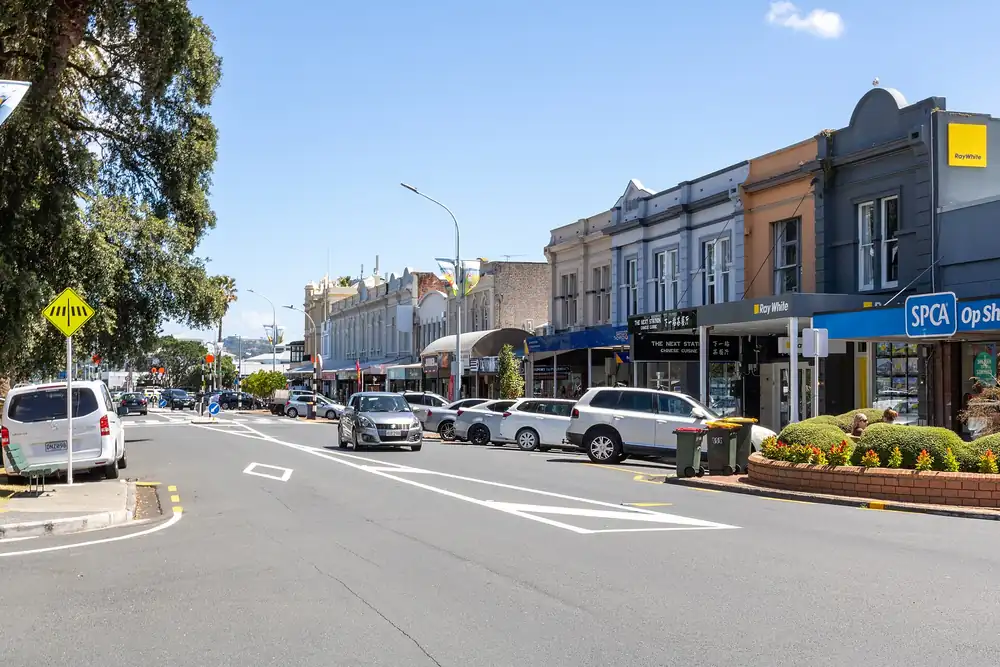
Devonport at a glance
- Housing
- Victorian and Edwardian villas, interwar bungalows, later infill and townhouses toward Belmont and Bayswater
- Landform
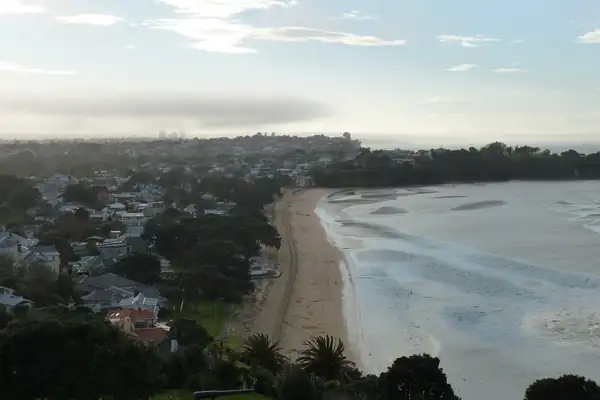
- Low peninsula between the Waitematā Harbour and Hauraki Gulf beaches, with the cones Takarunga and Maungauika
- Exposure
- Salt-laden wind from harbour and gulf; damp, sheltered gullies behind the cones
- Planning
- Special Character Areas overlay (Devonport and Stanley Point) and scheduled heritage places, many along Victoria Road
- Getting there
- Passenger ferry from downtown; road access via Lake Road through Belmont
Why a Devonport villa needs its own maintenance calendar
A Devonport villa needs a calendar built around timber. Weatherboards, sash windows, decorative fretwork and corrugated iron roofs all wear at different rates, and salt air speeds up paint failure on the seaward faces. Owners who stagger the work, repainting one elevation a year, servicing windows before winter and checking the roof after storms, tend to avoid the larger rot repairs that follow years of deferred upkeep.
Much of this housing predates modern building codes, so original framing, piles and scrim linings are common. Many villas have been re-piled, re-roofed or extended at different times, which means two houses on the same street can need very different jobs.
Painters and carpenters who know older timber will usually look for soft wood under flaking paint, failed putty around glazing and gaps where verandah posts meet the deck. These small faults are where water gets in first.
- Seaward and westerly walls: inspect paint each spring
- Sash windows: cords, putty and sill rot before winter
- Iron roofs: fixings, flashings and rust spots after gales
- Subfloor: piles, ventilation and any dampness on the ground
What the special character overlay means when you alter a house
Most of Devonport and Stanley Point sits in the Unitary Plan's Special Character Areas overlay, which exists to keep the streetscape of older homes intact. Demolition, and many external changes visible from the street, can need resource consent. Like-for-like repairs are a different matter from alterations, so before replacing windows, cladding, fences or rooflines with a new design or material, check the overlay rules with Auckland Council first.
Several properties are also scheduled historic heritage places, a stricter category than special character. Council records note that many of the scheduled places within the area cluster along Victoria Road. Owners can confirm whether a site is scheduled or inside the overlay on the council's GeoMaps viewer.
For hiring, this means asking a builder or painter whether they have worked under the overlay before, and getting written scope that says which original features stay. Unconsented changes to a character house can surface at sale time.
Salt, wind and the beach-front streets
Homes facing Cheltenham Beach, Narrow Neck and the harbour edge at Stanley Point take the most salt spray, and it shows on metal first. Gutters, roof fixings, aluminium joinery and exterior light fittings corrode faster here than a few streets inland. Regular washing of sheltered surfaces that rain never reaches, such as soffits and under verandahs, slows that corrosion and helps paint last.
Rain rinses exposed walls, but salt crystals build up under eaves and on the sheltered side of balustrades. House-washing contractors generally recommend a gentle wash with low pressure on old timber, since high pressure can strip paint and force water behind boards.
Stainless or coated fixings suit coastal sites better than plain galvanised steel when a roof or deck is repaired.
Borer, rot and the space under the floor
Older native and early exotic timber in villa subfloors is where borer and rot usually turn up, because the space is dark, often damp and rarely inspected. Fresh flight holes with fine dust beneath them suggest active borer; soft, darkened timber near the ground points to rot. A subfloor check every couple of years, especially on low-set villas, catches both while repairs are still small.
Poor ventilation and ground moisture make both problems worse. A polythene ground vapour barrier and clear vents improve the subfloor, and for rentals ground moisture barriers are part of the healthy homes standards set out by Tenancy Services.
Living next to Takarunga and Maungauika
Takarunga (Mount Victoria) and Maungauika (North Head) are Tūpuna Maunga, administered by the Tūpuna Maunga Authority, and the grassed, bush-edged slopes bring rats, mice and garden birds right up to neighbouring back fences. Homes bordering the cones see more rodent pressure in autumn, when food on the slopes thins out. Sealing gaps around pipes and under weatherboards matters more here than baiting alone.
Volcanic soils around the cones drain well, but the shaded gullies between them hold moisture, which feeds moss on roofs and mould on south walls.
Belmont and Bayswater: the newer end of the peninsula
Belmont and Bayswater have a wider mix of house ages than the Devonport village streets, including mid-century homes, later infill and townhouses. Maintenance there is less about heritage rules and more about the age of each building. Cliff-top properties along parts of the Belmont shoreline have had erosion reported to the council, so check any coastal hazard information before landscaping or adding weight near the edge.
Bayswater also has its own ferry wharf, which helps residents but not trades vans, who still use Lake Road.
Getting trades onto the peninsula
The practical constraint in Devonport is travel. Lake Road is the main road route in and out, and it slows at peak times, so tradespeople coming from elsewhere on the North Shore often prefer mid-morning starts. Narrow village streets and limited kerbside parking make skip bins, scaffolding and long ladders harder to place, and some jobs need a council permit to use the road reserve.
Booking a contractor who already works on the peninsula reduces travel time, and confirming where a van, trailer or skip can sit before the job starts avoids a wasted visit.
Ranked businesses that reach Devonport
Devonport sits inside the guide's North Shore area, which has its own ranked lists for pest control, wasp nest removal, house washing, gutter cleaning, roof painting and garage door repair. The table counts, for every trade, the eligible businesses whose Google listing is in one of the localities above or whose own website names one of them.
| Trade | Listing here | Website names it | Eligible Auckland-wide |
|---|---|---|---|
| Pest control | 0 | 5 | 41 |
| Borer treatment | 0 | 3 | 19 |
| Wasp nest removal | 0 | 4 | 35 |
| Commercial pest control | 0 | 3 | 32 |
| House washing | 0 | 4 | 46 |
| Gutter cleaning | 0 | 5 | 43 |
| Roof painting | 0 | 7 | 40 |
| Handyman services | 0 | 3 | 18 |
| Healthy homes assessments | 0 | 0 | 10 |
| Garage door repair | 1 | 2 | 29 |
Counts come from the guide's Google Maps and website data (read 6 October 2026; garage doors 10 October 2026). A business that serves all of Auckland without naming suburbs is not counted here, so a low number does not mean nobody comes.
Prices, from businesses' own published lists: pest control · borer treatment · wasp nest removal · house washing · gutter cleaning · roof painting · handyman services · healthy homes assessment · garage door repair.
Questions owners ask about Devonport
Do I need consent to repaint a Devonport villa?
Repainting is generally treated as maintenance, but owners inside the Special Character Areas overlay or on a scheduled heritage site should confirm the rules for their property before changing materials, joinery or other street-facing features. The overlay is about protecting the look of the streetscape, so any change in design or material is worth checking with Auckland Council before work begins.
Is borer common in Devonport houses?
Borer is common in older New Zealand timber houses generally, and Devonport has a large stock of them. Subfloor framing, roof space timbers and old furniture are the usual places to find it. A trained inspector can tell active borer from old damage, which is important, because many villas carry historic flight holes that no longer need treatment.
Why does paint fail faster near Cheltenham Beach?
Salt spray settles on walls and is not always washed off by rain, especially under eaves. Salt, sun and wind together break paint down sooner on seaward faces. Washing sheltered surfaces regularly and using coatings suited to coastal exposure helps extend the time between repaints.
Sources
- Auckland Unitary Plan: D18 Special Character Areas Overlay, Residential and Business
- Auckland Council: Plan Change 78 special character findings report
- Tūpuna Maunga Authority: Maungauika
- DOC: Maungauika/North Head Historic Reserve
- Auckland Transport: Devonport ferry timetable
- Tenancy Services: healthy homes standards
Nearby profiles: Albany · Hobsonville · all neighbourhoods.